
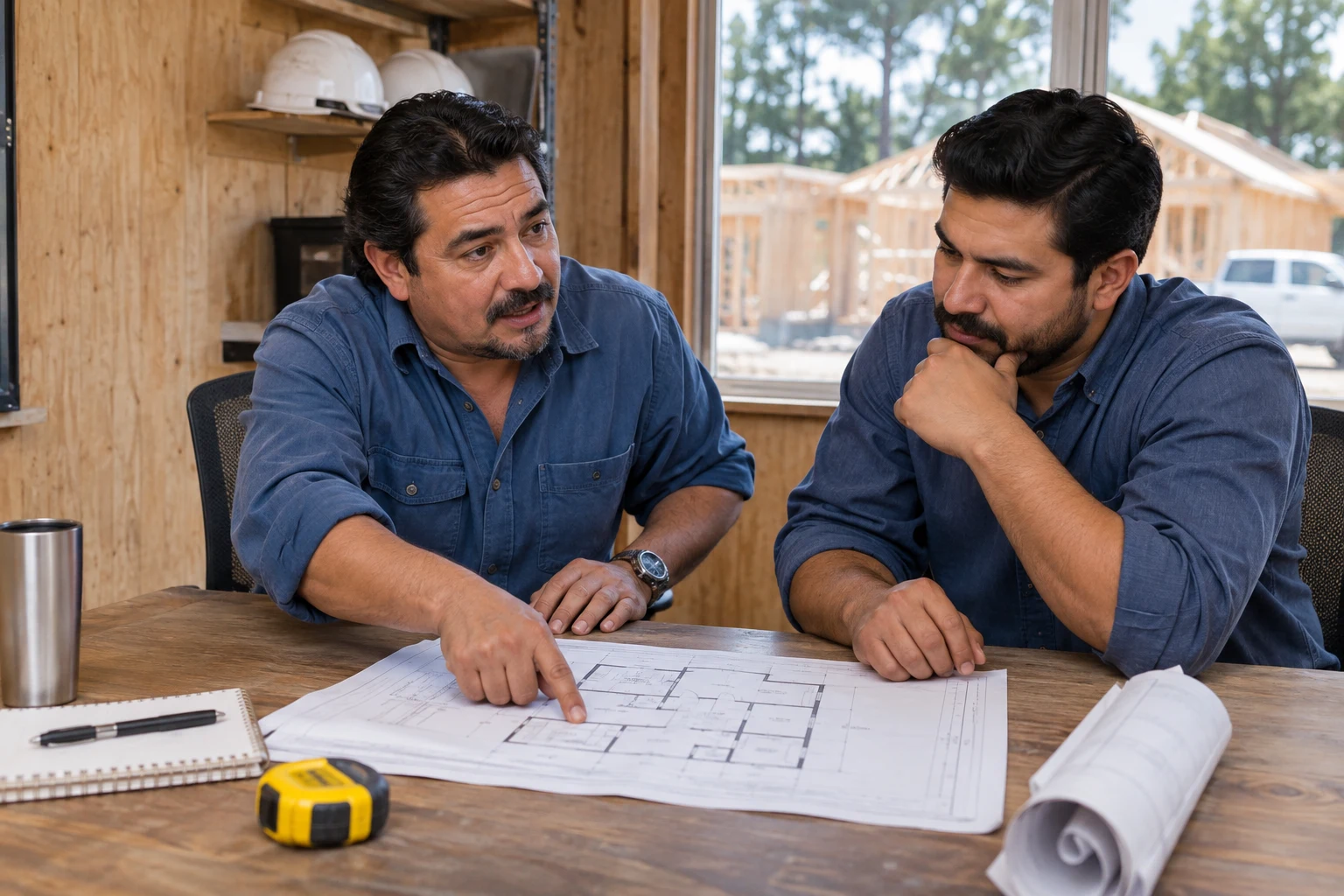
An evaluation of a construction bid invitation starts with the decision to pursue the work before committing the estimator. Check whether the opportunity fits your capabilities, whether the information is usable and whether your team can prepare a responsible response.
An invitation is not proof that a project is suitable or that your company has a realistic route to the work. Give the estimating commitment a clear owner.
Confirm what the invitation asks for
Identify the requesting organization, the project and your intended role. Read the supplied instructions, available scope and requested response. Distinguish a preliminary budget conversation from a formal pricing request.
Check that the documents and revisions you need are accessible through the agreed channel. If important information is missing, record the gap and ask for clarification rather than filling it with an unapproved assumption.
Review capability and delivery fit
Ask whether the work matches current services, location and resources. Include the people responsible for delivery so the pursuit decision reflects actual commitments. Marketing interest alone should not decide that a project belongs in the pipeline.
Requirements concerning credentials, insurance, contracts or other material terms need review by the responsible qualified people. A marketing checklist can flag those dependencies; it cannot establish compliance or approve contractual risk.
Understand the buyer and evaluation
Learn who is coordinating the process, what the next decision is and how questions should be submitted. Confirm any site visit or clarification arrangements. Follow the invitation's actual instructions instead of assuming a standard bidding process.
Record your relationship and the information available without pretending to know your likelihood of winning. A referral or previous conversation can be useful context, but it does not guarantee selection.
- Is the project within our approved capabilities and service area?
- Do we understand the scope and our proposed role?
- What documents or answers are missing?
- Can the estimating team meet the requested response?
- Which commercial or contractual issues need specialist review?
- Who approves pursue, clarify or decline?

Make the decision visible to the team
Use clear outcomes: pursue, request clarification or decline. Name the person authorizing the estimating effort and identify the next milestone. Keep the reason with the opportunity so a later reminder does not restart a declined pursuit.
If the team proceeds, preserve scope versions and questions. If the team declines, communicate through the agreed business process. Do not let an unattended inbox create the impression that a response is underway.
Learn from the pursuit after the decision
Review the estimating effort and known buyer feedback alongside the outcome. Separate confirmed reasons from speculation. A lost bid does not automatically establish that price was the problem.
Use repeated mismatches to improve the capability message and qualification process. The objective is to pursue suitable work deliberately, not collect a larger stack of bid invitations.
Put it into practice
Bring pursuit quality into the marketing plan
ClickK's marketing for construction companies can clarify the capabilities and inquiry stages that attract relevant opportunities. Your estimating and commercial team decides which bids to pursue and approves the response.
Discuss relevant construction opportunities