Web Design

Small Business Web Design Services

ClickK’s small business web design services combine useful content, clear design and practical inquiry paths. We build websites around the decisions your customers need to make before contacting you.

Whether you need a new site or a carefully planned redesign, we consider your pages, search foundations and ongoing care together.

Discuss Your Website
A web designer and business owner review a page layout.

Make It Easy to Understand What You Do

Your website needs to answer the questions a customer brings to it: Do you handle this work? Is your business suitable? What happens if I get in touch? Design supports those answers through clear pages, useful content and visible next steps.

We plan the structure around your services and the differences between them. A visitor requesting an urgent repair needs a different path from someone comparing a larger project. We use those decisions to shape the pages and inquiry forms before refining the visual design.

What We Plan and Build

Your proposal defines which pages we will build and the work needed to produce them. We can create a new site or assess a redesign, with content, technical foundations and inquiry handling considered together.

A designer arranges printed website layouts before building.

Service Pages and Website Copy

Explain the work, who it is for and how the process works, and answer practical buying questions in your company’s voice. Use permitted photographs and evidence rather than stock claims, invented reviews or borrowed project results.

Responsive Layouts and Accessible Controls

Make navigation, text and inquiry controls usable on phones and larger screens. Check contrast, keyboard access, form labels and image descriptions as part of the agreed implementation.

Search Foundations

Plan useful URLs, headings, page titles, descriptions and internal links around each page’s purpose. Set canonical URLs, prepare the sitemap and make sure missing pages return the correct response.

Forms and Inquiry Paths

Ask for information your team can act on. Agree the recipient, success and error handling, and any connection to an existing customer-management process before implementing it.


Redesign without Losing Useful Content or Routes

A fresh layout does not remove the need to understand an existing site. We review the pages, search evidence and important destinations before proposing what to retain, rewrite or retire.

When a URL changes, we plan a relevant replacement and update the links that depend on it. Missing pages need a useful recovery path and the correct response. A blanket redirect to the homepage is not a substitute for those decisions.

Let’s look at what your business needs next.

Discuss Your Website

Review the Structure, Then the Design, Then the Working Site

We begin with your offer, services and existing assets, then prepare the content and page structure. We agree on the visual direction and review a representative interior page before applying the design across the site.

The build brings those decisions into working pages. Before launch, we check the agreed routes, navigation, forms, mobile layouts and search foundations. You review how the site represents your business, while technical checks address implementation quality.

A developer checks mobile and desktop versions of a website.

Know How the Website Will Be Maintained

A website needs an ongoing arrangement for updates and care. We discuss who manages hosting, content changes and technical maintenance, what access your business retains and which work is covered after launch.

If you want the website developed alongside continuing search, ads and organic content, our website and marketing support connects those responsibilities.

Give the Project the Information It Needs

Bring your service list, accurate contact information, existing website access and any brand assets you can authorize us to use. Tell us which inquiries you want more of and which work you do not take on.

You do not need every photograph or sentence prepared before the first conversation. We identify what the project needs and agree who will supply or produce it. Project scope, integrations and approval time influence the delivery plan.

Usability includes people using keyboards and assistive technology. W3C’s introduction to web accessibility explains that broader goal. If you need a formal accessibility assessment or specialist audit, we agree on those requirements as part of the project.

Your questions, answered.

Can you work with our current logo and brand?

Yes. Tell us what must stay and what you want to change. We use approved brand assets and establish the visual direction before applying it across the site.

Will you write the website content?

Website copy can be included in the scope. Your business confirms the services, claims and factual details, while we organize and write the agreed pages around customer questions and the inquiry journey.

Will the website work on mobile?

Responsive layouts are part of the website planning and build. We check the actual pages, navigation and forms at relevant screen sizes rather than relying only on a desktop design.

Can the site connect to our CRM or booking process?

We can assess the required connection. Access, platform support, security and the behavior you need determine the scope; a custom connection is not assumed to be included.

How long will the build take?

The timeline depends on the number and type of pages, content readiness, design decisions and integrations. We agree the sequence and review points after understanding the project, rather than promising the same launch date for every website.

Does a new website include ongoing SEO?

The agreed search foundations belong in the website build. Continuing SEO, new content and campaign work are separate ongoing decisions and can be included in a wider engagement.

Your next step

Plan a Website Your Customers Can Use

Share your current website, the services you sell and what you want to improve. We will discuss which pages you need and a practical plan for launch.

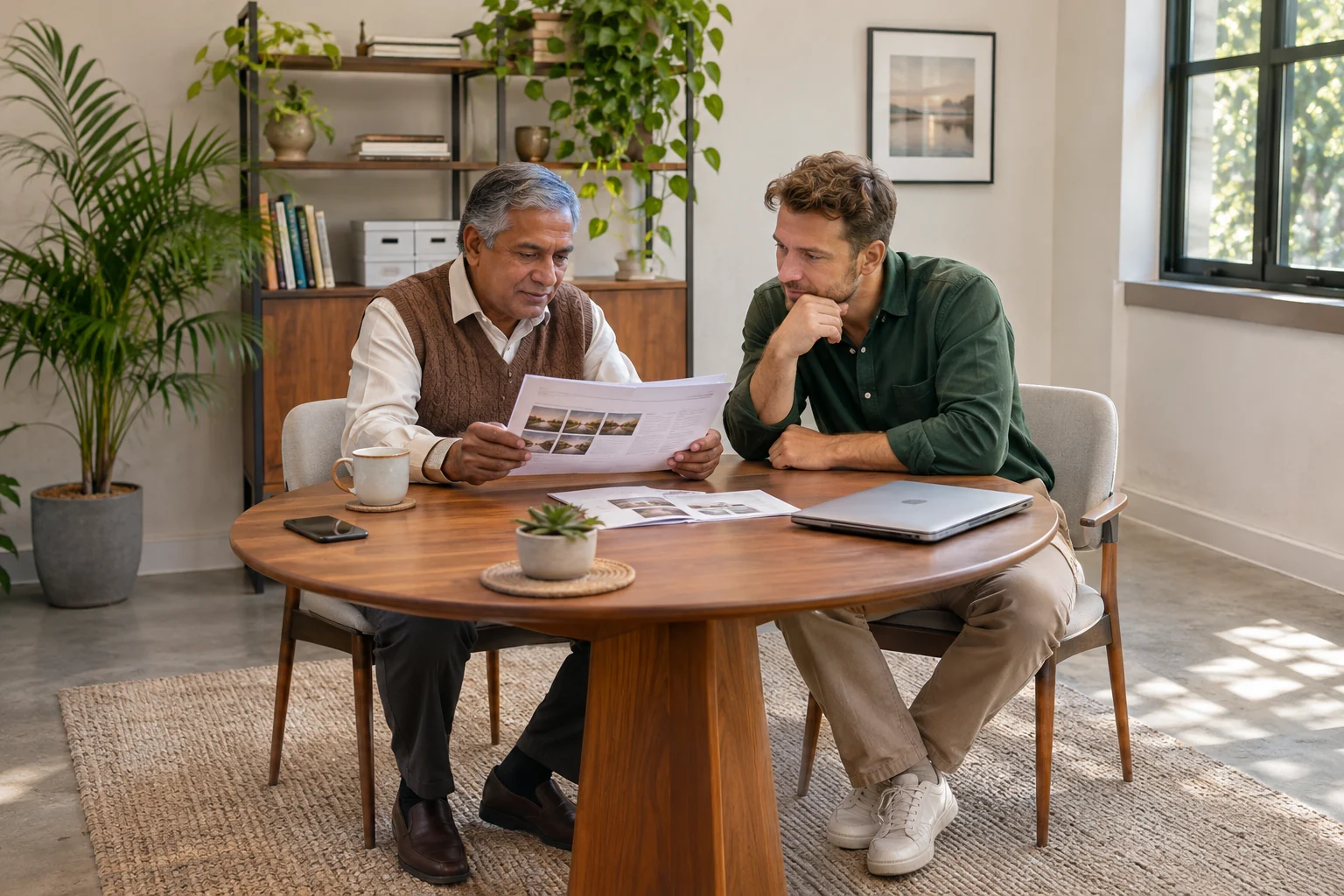
A business owner and designer review website content together.

Please do not share passwords or sensitive information.