

Construction marketing through a long sales cycle should help the buyer make the next decision while preserving the conversation already held. Organize useful information and follow-up around project milestones rather than a repetitive sales sequence.
A buyer who is still defining the project needs a different response from one comparing proposals. Your customer records should make that distinction visible.
Identify the decision stages you actually use
Map how a suitable opportunity moves through your company: an initial discussion, a clearer brief, a proposal and a decision may be useful stages. Use your own process and define what changes when an opportunity moves forward.
Attach an owner and next action to each open opportunity. A label such as nurturing does little to help if nobody knows what information the buyer needs or when another conversation is appropriate.
Provide information for the current question
Early-stage buyers may need to understand your capabilities and the first assessment. Later they may need relevant project evidence, a scope clarification or a conversation with the right person. Send the information that answers the stated question.
Avoid a bundle of unrelated content just because the contact has not decided. A brief message linking to relevant capability information can be more useful than a generic update about every service the company offers.
Record the next event instead of guessing a deadline
Ask what the buyer expects to happen next: a design decision, an internal review or another agreed milestone. Record the answer and whether follow-up is welcome. Do not invent urgency when the underlying project is still being defined.
Keep requested dates separate from commitments your team approves. An automated message must not reserve a start or imply a proposal is final if the responsible person has not agreed.
Keep the handoff intact when people change
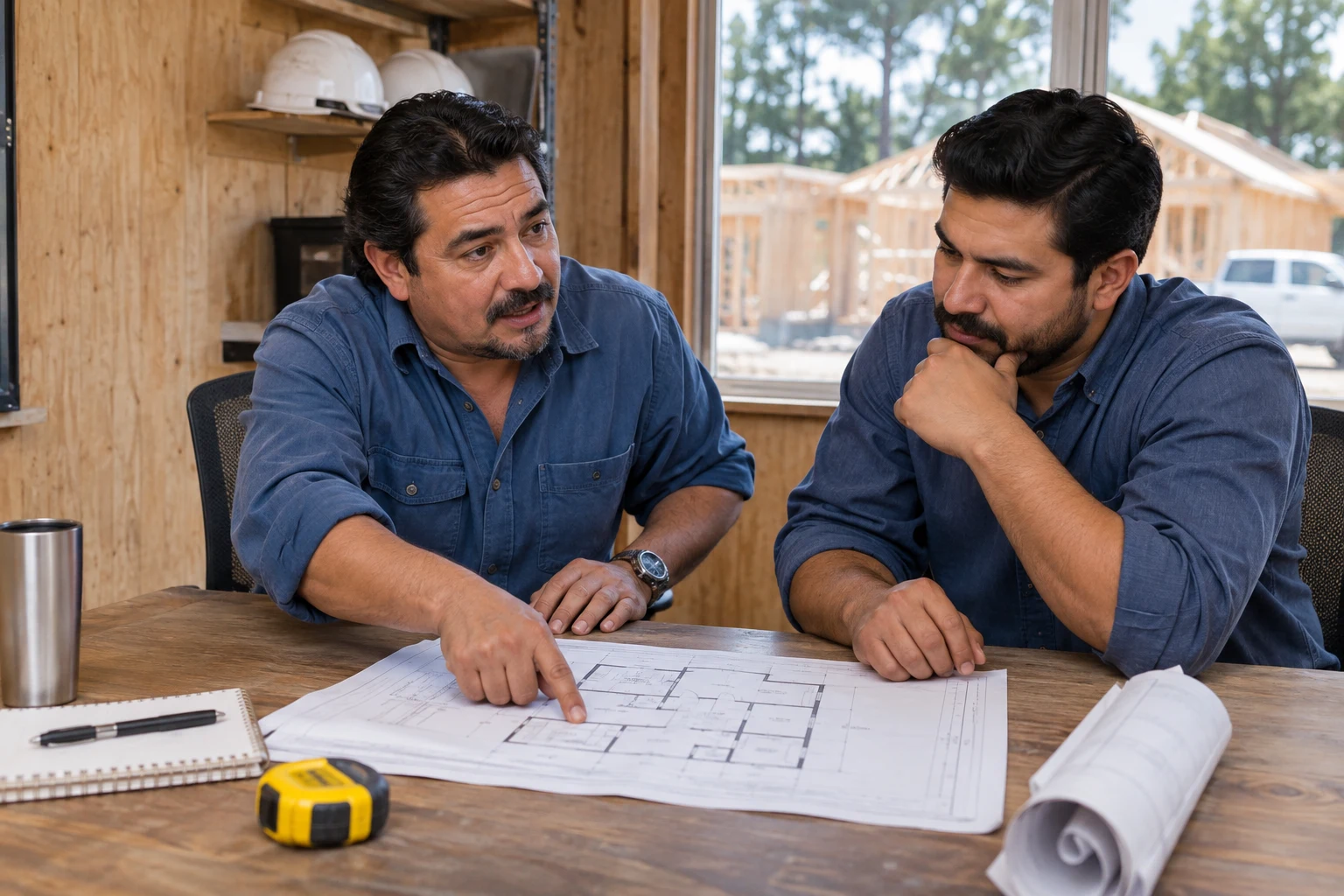
Preserve the brief, relevant documents, previous replies and outstanding questions in a usable record. A new contact or estimator should be able to continue the conversation without asking the buyer to start again.
Record what the buyer actually said about timing or the decision. Separate that from the salesperson's expectation. The difference matters when reviewing open work and deciding where to spend attention.
- Current project stage and supporting information
- The buyer's unresolved question
- Named owner of the response
- Next event or agreed contact point
- Known decision-makers and communication preferences
Review the pipeline without counting open work as won
Group open opportunities by meaningful stage and age, then inspect those with no next action. A long-running opportunity may be genuine, deferred or simply unclassified; the dashboard cannot decide that without a conversation.
Use construction marketing pipeline reporting to keep inquiries, proposals and accepted projects distinct. Marketing can support a decision journey without proving that every eventual project came from a single touchpoint.
Put it into practice
Support the next project decision
ClickK's construction marketing and follow-up work can organize relevant content, inquiry records and agreed reminders. Your team retains responsibility for assessment, proposals and project commitments.
Discuss your project sales journey