
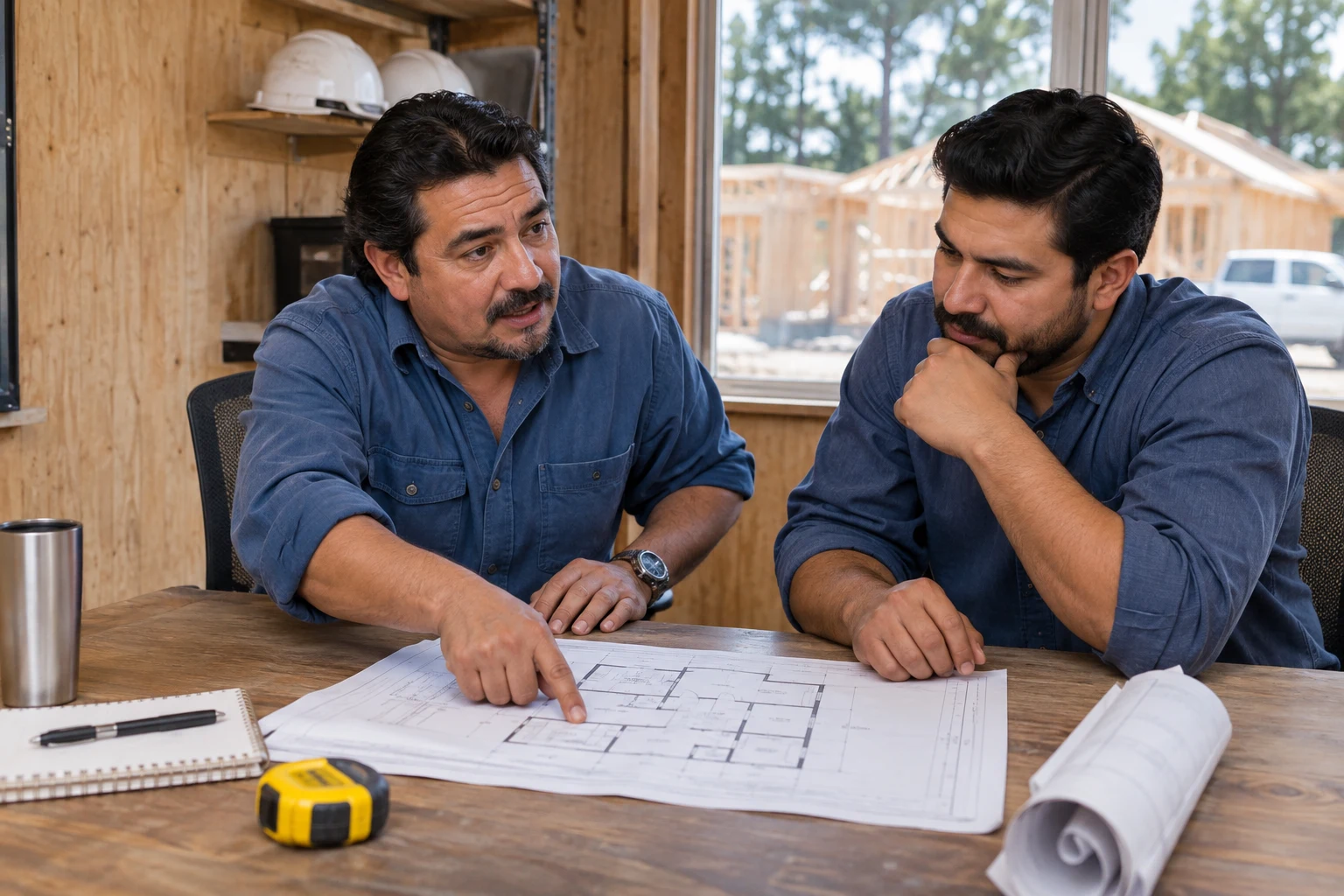
A construction project portfolio website should help buyers evaluate relevant work and your company's role in delivering it. Organize real examples around the capabilities a prospective customer needs to assess.
A gallery can show attractive buildings while leaving important questions unanswered. The surrounding copy should explain the work, the context and the appropriate next conversation.
Select projects for relevance to the buyer
Choose permitted examples that relate to the work you want to pursue. A residential renovation buyer and a commercial project team may look for different evidence. Give each a useful way to find relevant examples without assuming one impressive building proves every capability.
Avoid filling the portfolio with projects you no longer want to repeat. If the company has changed focus, explain current services clearly and review which older examples still represent the offer.
Verify the role before writing the story
Confirm the project identity, the work your company performed and what can be shared publicly. Distinguish general contracting, a specific trade package, design or other responsibilities accurately. A photograph of the finished building should not imply you delivered parts completed by others.
Use original approved records for project claims. Do not invent a client quote, budget, timeline or outcome because a project page seems to need one. If the information is unavailable or confidential, keep the description within what is verified.
Choose images that carry useful information
An overview can establish the type of project; a separate detail can support a relevant capability. Select the views for the buyer's decision and check that they remain understandable on a phone. Keep the original files and permissions in an internal collection.
Place useful project and service copy alongside the images without rendering captions, annotations or production notes. Alt text should describe the informative image accurately, with no invented customer or project claims.
- Does this example relate to a current service?
- Is our role verified and described precisely?
- Are the files and publication permissions available?
- Can a reader understand the project on mobile?
- Does the next action fit this buyer's stage?

Connect examples with capabilities and process
Give buyers a way to understand the service behind an example and how an initial project discussion begins. Portfolio navigation should support evaluation rather than send the reader around a loop of images.
Where buyers need a concise supplier summary, a construction website capabilities statement can explain the actual company scope. Keep its claims consistent with the project examples.
Accept an honest evidence gap
If a relevant project cannot be disclosed, do not substitute a generic building photograph as proof. Explain current capabilities truthfully and identify the permitted assets the team should collect next.
Ask a person outside the company what the portfolio demonstrates. If they assume you completed work outside your actual role, change the page before adding another example.
Put it into practice
Build the portfolio around verifiable work
ClickK's construction website and marketing support can organize approved project material and service copy. Your team confirms the project facts, permissions and capabilities each example supports.
Discuss your construction website