

Residential and commercial construction messaging should reflect the buyers, project decisions and evidence your company can support. Separate those needs instead of presenting every construction inquiry as the same conversation.
This is a marketing decision about the work you already offer. Entering a new market requires its own operational review before a website claims the capability.
Describe the buyer and project together
A homeowner may need help understanding how a renovation conversation begins. A commercial buyer may arrive with a developed scope and several people involved in evaluation. These are useful starting points, not rules that describe every customer.
Ask your team to identify the questions it actually hears in each market. Write from that evidence rather than assuming every residential buyer is inexperienced or every commercial project follows one procurement route.
Build separate explanations when the decision differs
Use service copy that explains the work, appropriate project types and first step for that audience. If both markets matter, make the distinction easy to find through the website structure. Keep the company identity and verified capabilities consistent.
Avoid a residential page that suddenly promises large commercial delivery without supporting information. Equally, a homeowner should not have to interpret a supplier-focused capability document to discover how to request a conversation.
Select proof for the claim being made
Choose permitted examples relevant to the offer and describe your company's exact role. A project can support a capability without proving every aspect of another market. Keep qualifications, personnel information and project statements accurate.
If suitable evidence is missing, present the current service honestly and collect the assets needed for a stronger explanation. A stock building or illustrative scene should never become a claimed company project.
Change the inquiry path as needed
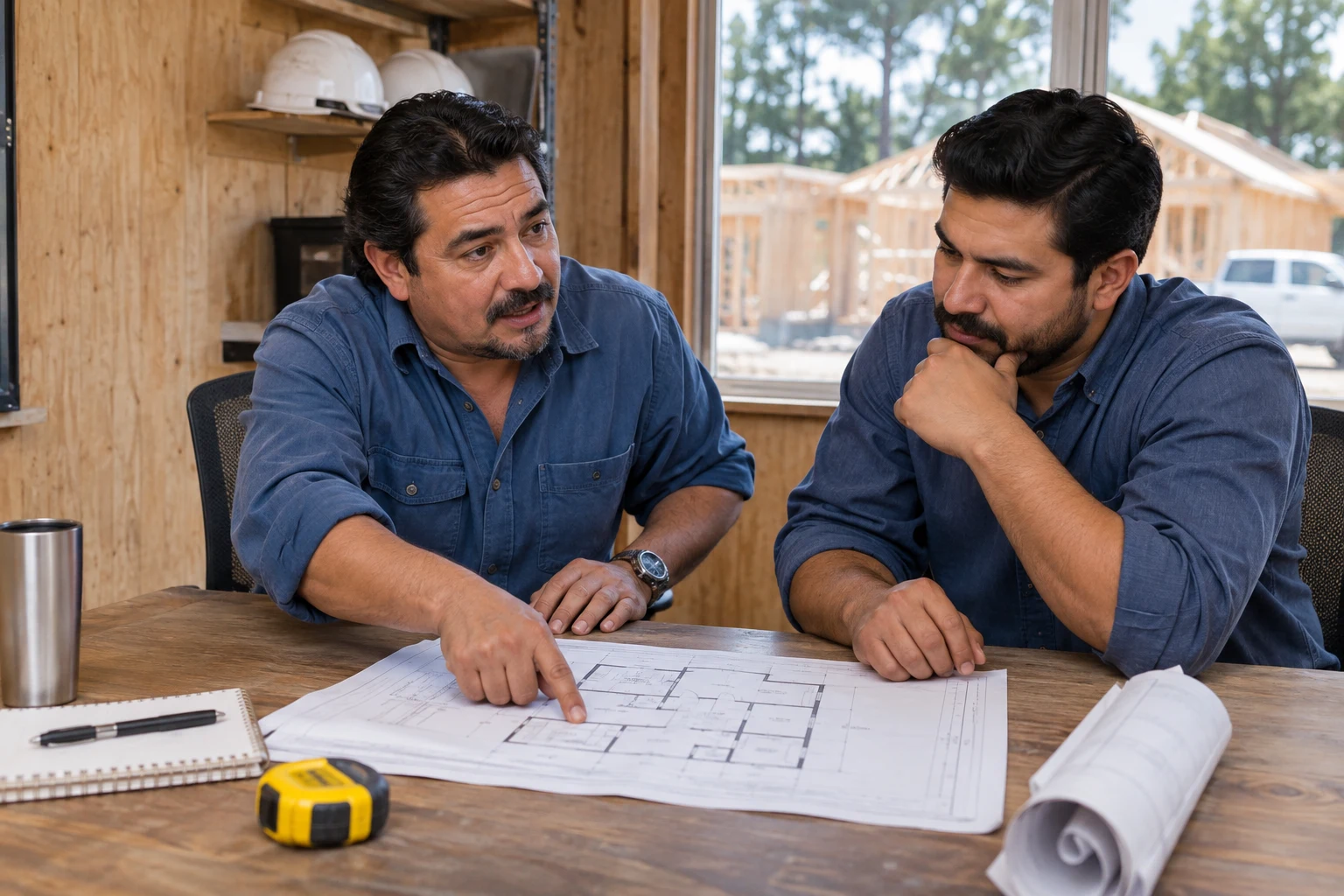
A short project description may start the homeowner conversation. A commercial buyer may need a suitable way to share a brief or identify a proposal deadline. Ask for information that changes your next action rather than forcing everyone through a long identical form.
Let buyers identify uncertainty. The form should not require them to classify a project perfectly before contacting the company. The responsible team confirms scope and fit.
- Which work is this offer intended to attract?
- What does this buyer need to evaluate first?
- What genuine evidence supports the capability?
- What information changes the initial response?
- Who confirms whether the project fits?
Compare outcomes by the intended market
Keep residential and commercial inquiries distinguishable in your records. Review suitable discussions and proposal progress within each group rather than assuming their timelines or values are interchangeable.
Use the findings to improve the message or investment priority. A busier inquiry queue from the wrong market is a reason to revisit the offer, not claim growth in the work you intended to pursue.
Put it into practice
Give each audience a useful route
Our construction marketing service can organize audience-specific service copy, campaign destinations and inquiry questions. Bring your verified market experience and the projects you want next.
Discuss your construction message