
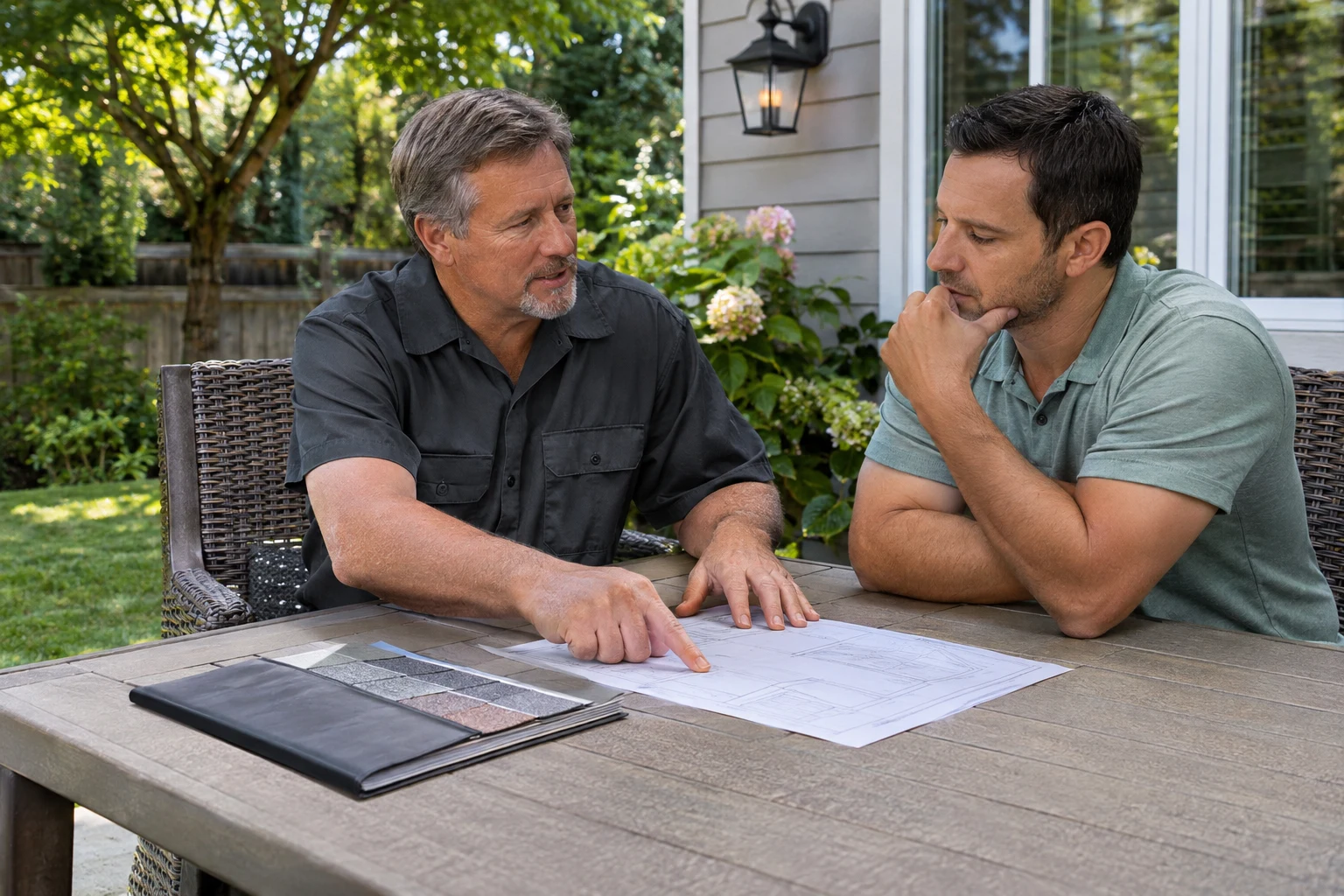
Roofing estimate follow-up should tell the office what decision or question remains open. A quote can stall because the customer needs clarification, another decision-maker is involved or the timing has changed. Those situations call for different next actions.
Create a proposal record that reflects the conversation, then make each follow-up useful.
Keep the proposal version and decision together
Record the current approved proposal and who received it. If options or scope change, make the superseded version clear to the team. Customers should not receive reminders to accept a document the estimator has already revised.
Ask whether the recipient has the information needed to decide. Questions about materials, inclusions, warranties or contractual conditions need the roofing company’s approved answer. Marketing and office staff can coordinate that answer without improvising technical or legal interpretations.
Use stages that show the unfinished work
A practical sequence might distinguish proposal sent, question awaiting answer, revision needed, customer-requested later contact, accepted and closed. The exact labels should fit the business, but each stage needs a clear meaning. “Follow up again” is a task without an explanation.
Assign an owner to the next action. If the estimator owes an answer, that task should not be replaced by an automated nudge to the customer. Where another person needs to review the proposal, record the customer’s agreed process rather than guessing who has authority to accept.

Write a message around the missing decision
A receipt check can be simple: “Have you received the roofing proposal, and is there anything about the scope you would like us to explain?” Later messages should refer to the actual discussion. If the customer asked for a revision, the update should address that revision.
When the person is comparing proposals, offer help locating your approved scope and exclusions. Avoid claiming a competitor is unqualified or that all cheaper proposals omit essential work. The roofing team can explain its own offer without making an unsupported claim about another business.
- Confirm the proposal arrived.
- Ask about the specific outstanding question.
- Record any requested timing for the next contact.
- Close routine reminders when a decision is confirmed.
Make stopping as deliberate as sending
Pause automated contact when a reply, revision request or service concern arrives. Stop it after acceptance, a decline, an opt-out or another confirmed reason the sequence is inappropriate. Keep any necessary operational communication separate from promotional follow-up.
An acceptance should trigger the company’s real handoff process. Do not let an automated email promise a start date, material delivery or reserved crew unless operations has confirmed it. The roofing customer-update guide covers that next communication stage after the sales decision.

Review open proposals for process defects
At an office review, ask why each selected proposal is still open and whether the next action belongs to the customer or your company. Look for repeated unanswered questions, outdated documents and missing owners. These patterns can guide changes to the website’s estimate information as well as staff follow-up.
ClickK can help organize roofing marketing and proposal communication within a defined scope. The business approves pricing and technical facts and confirms delivery arrangements. A useful workflow makes the next step visible while respecting the customer’s decision, rather than treating every open proposal as permission for endless contact.
Put it into practice
Choose a useful next step
Pick a stalled proposal and identify the precise next action before scheduling another reminder.
Discuss your marketing priorities