

Leads for a commercial landscaping proposal need a different path from residential garden inquiries. Help property buyers understand whether you can maintain their type of site and what information you need to assess the opportunity.
The goal is a useful proposal conversation with the right organization. A busy inbox of individual lawn requests does not answer whether your commercial offer reaches its intended audience.
Describe the properties and responsibilities you accept
Name the commercial property types your company actually serves. Describe whether the offer covers ongoing grounds care, seasonal work or specific enhancements. A property manager should be able to recognize the relevant service without translating a homeowner package.
State the next step plainly. If you need a site assessment and scope discussion before proposing terms, explain that. Avoid implying that a generic online form creates a quote or reserves a team.
Learn how the buyer will evaluate a proposal
Ask who manages the property, who approves the scope and whether an existing contract or tender timetable affects the discussion. Request the relevant brief or service requirements through a suitable channel. The contact submitting the form may coordinate the work without being the final decision-maker.
Separate the dates the buyer requests from dates you have agreed to meet. Record a proposal deadline and any unanswered requirements so the person preparing it can decide whether the opportunity is practical.
- Property type and location
- Services or scope the buyer wants assessed
- Existing specification or procurement instructions, where available
- Contact responsible for the next conversation
- Requested proposal timing and site-visit arrangements
Provide evidence that matches the property
Use genuine, permitted photographs and descriptions of comparable work when you have them. Explain the service and your role in surrounding page copy. A photograph of an attractive garden does not establish experience maintaining a commercial site.
If you lack a relevant example, describe your real capabilities and assessment process. Do not create a named customer, imply an ongoing contract or borrow a commercial property image as proof of work.
Keep the lead record useful through the proposal
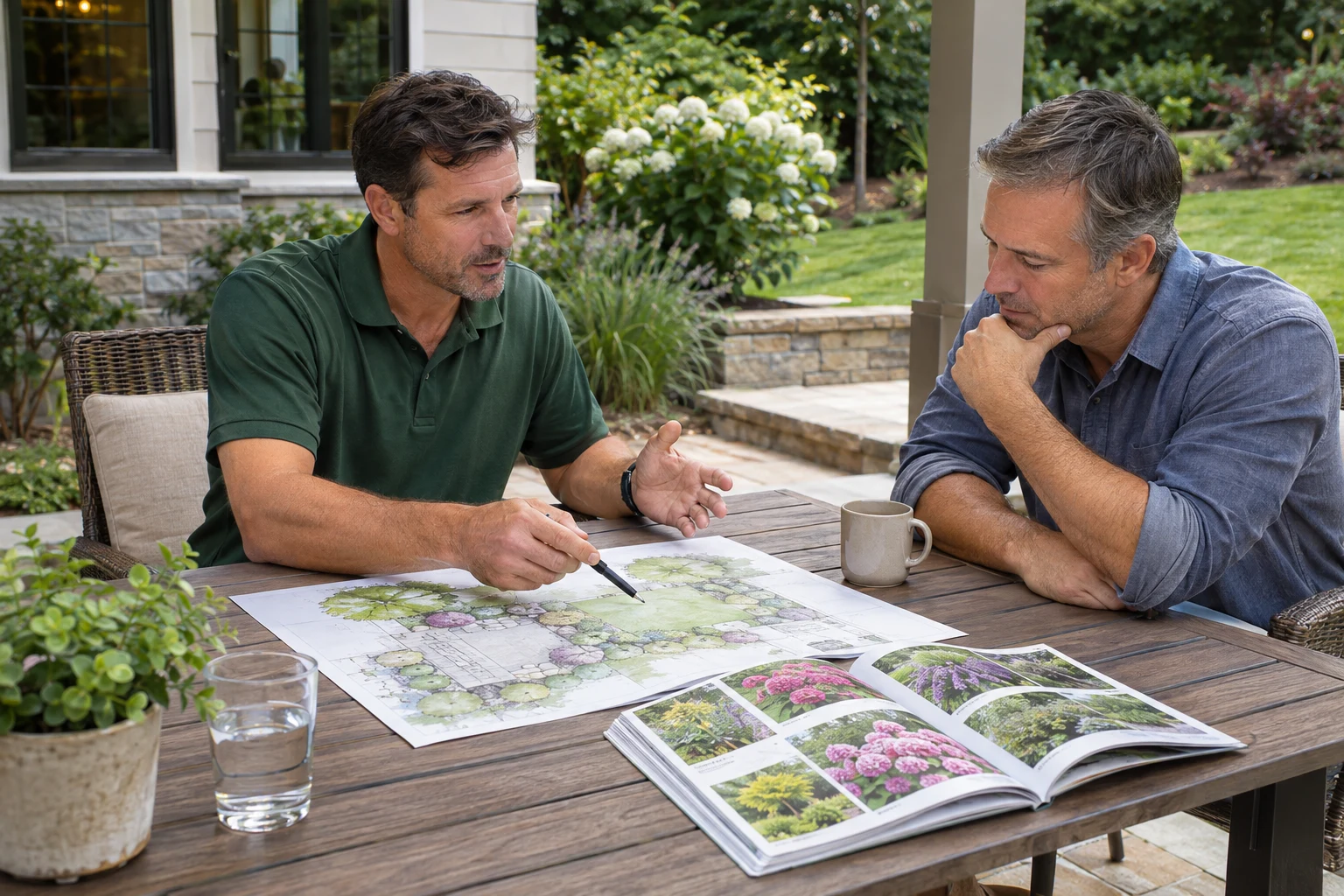
A commercial opportunity may move through an initial discussion, a site review, a request for clarification and proposal consideration. Give each stage a named owner and next action. Preserve what was actually requested so the follow-up stays relevant.
For instance, a message asking whether the buyer received the revised grounds-care scope is more useful than an automated invitation to request an estimate they already have. End or pause reminders when the contact asks or the decision is complete.
Judge the channel by relevant opportunities
Report commercial inquiries separately from residential work. Review how many reached a genuine scope discussion and which were declined because of property fit, timing or requirements. Keep open proposals separate from accepted work.
When the campaign attracts the wrong audience, inspect its wording, imagery and landing page together. Commercial language should help the buyer make a decision; simply adding the word commercial to a residential offer will not supply the missing information.
Put it into practice
Give commercial buyers a clear starting point
Our landscaping marketing service can help organize commercial service copy, relevant campaigns and inquiry follow-up. Bring the property types you want to serve and the proposal steps your team can support.
Discuss commercial landscaping marketing